 By: admin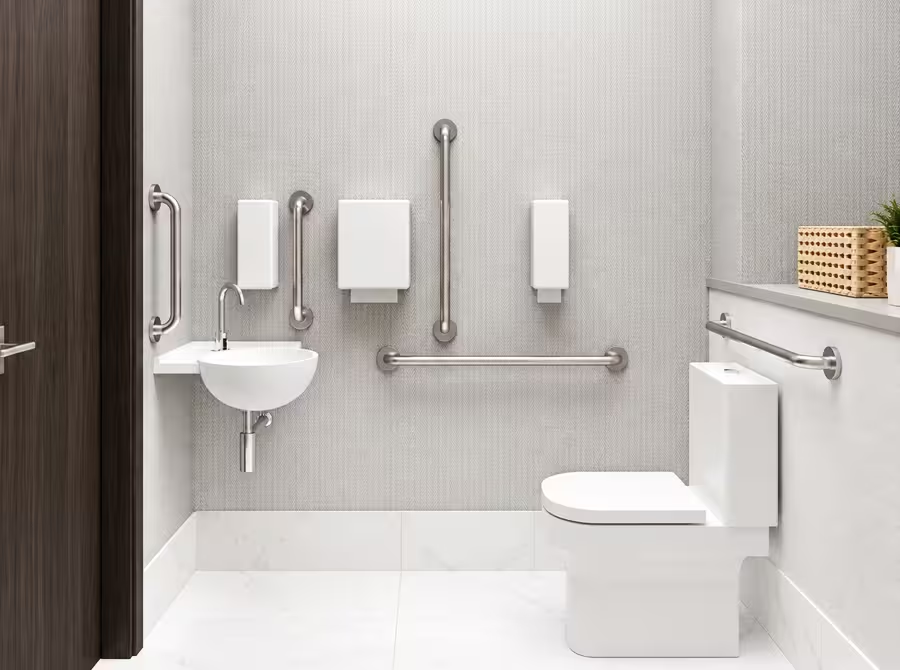
Essential Bathroom Renovations for Aging in Place: How to Make Your Bathroom Safer and More Accessible
A bathroom should be easy and comfortable to use at every stage of life. As mobility, balance, or vision changes with age, some everyday bathroom features can become difficult or even unsafe. Planning for these changes during a bathroom renovation can make the space more comfortable now and more practical in the years ahead.
A bathroom designed for aging in place does not have to look clinical or institutional. With the right layout, materials, fixtures, and lighting, you can create a bathroom that feels modern while providing better access and support.
If you are renovating an older bathroom, these are some of the key features worth considering.
1. Choose a Curbless or Walk-In Shower
The shower is one of the first areas to consider when improving bathroom accessibility.
A curbless shower removes the raised edge that people normally have to step over. This creates a smoother transition between the bathroom floor and shower area, which can make entry easier for people with limited mobility.
A built-in shower seat can provide another useful option, particularly for anyone who finds standing for long periods uncomfortable. If a bathtub is important to you, a walk-in tub with a built-in seat and accessible controls may be worth considering.
The shower layout should also allow enough room for comfortable movement and, where appropriate, future assistance from a family member or carer.
2. Install an Adjustable Handheld Showerhead
A fixed showerhead may not work well for everyone. An adjustable shower system with a handheld wand gives users more control over the height and direction of the water.
A handheld showerhead with a longer hose can be particularly useful when showering from a seated position. Ideally, the controls should be easy to reach without requiring the user to stretch or turn awkwardly.
3. Add Properly Positioned Grab Bars
Grab bars can provide valuable support around the shower, bathtub, and toilet.
They should be securely fixed to suitable structural support rather than simply attached to the wall surface. Their location should also be planned around the user’s needs and the bathroom layout.
If you are completing a major renovation, it can be worth planning reinforcement inside the walls even if grab bars are not needed immediately. This makes it easier to add them later without reopening finished walls.
4. Use Slip-Resistant Flooring
Wet floors can become a serious safety concern, especially for older adults.
Choose bathroom flooring with good slip resistance and avoid highly polished surfaces that can become slippery when wet. Large-format tiles can also reduce the number of grout joints, although the suitability of any flooring depends on its surface, installation, and bathroom design.
Loose rugs should be avoided where possible. If a mat is needed, choose one designed with a secure, non-slip backing.
5. Improve Bathroom Lighting
Good lighting makes it easier to see changes in floor levels, water on the floor, bathroom fittings, and other potential hazards.
Use adequate general lighting throughout the bathroom and consider additional lighting around the vanity, shower, and toilet. Motion-sensor or low-level night lighting can also make nighttime bathroom visits easier without requiring someone to search for a light switch in the dark.
Glare should also be considered. Very bright or poorly positioned lights can make it harder for people with certain vision problems to see clearly.
6. Consider a Comfort-Height Toilet
A comfort-height or raised toilet can make sitting down and standing up easier for some people, particularly those with reduced mobility.
The right height depends on the individual, so it is worth considering who will use the bathroom before choosing a model.
The space around the toilet matters too. Leave enough room for comfortable movement and, where necessary, the future installation or use of support rails.
7. Make the Vanity Easier to Use
A bathroom vanity should be comfortable for the people who use it.
Depending on the household, this could mean choosing a suitable counter height, providing clear space below part of the vanity, or selecting easy-to-use handles and taps.
Lever-style or single-handle taps can be easier to operate than traditional separate hot and cold handles. If accessibility is a priority, the position of mirrors, storage, power outlets, and switches should also be considered during the planning stage.
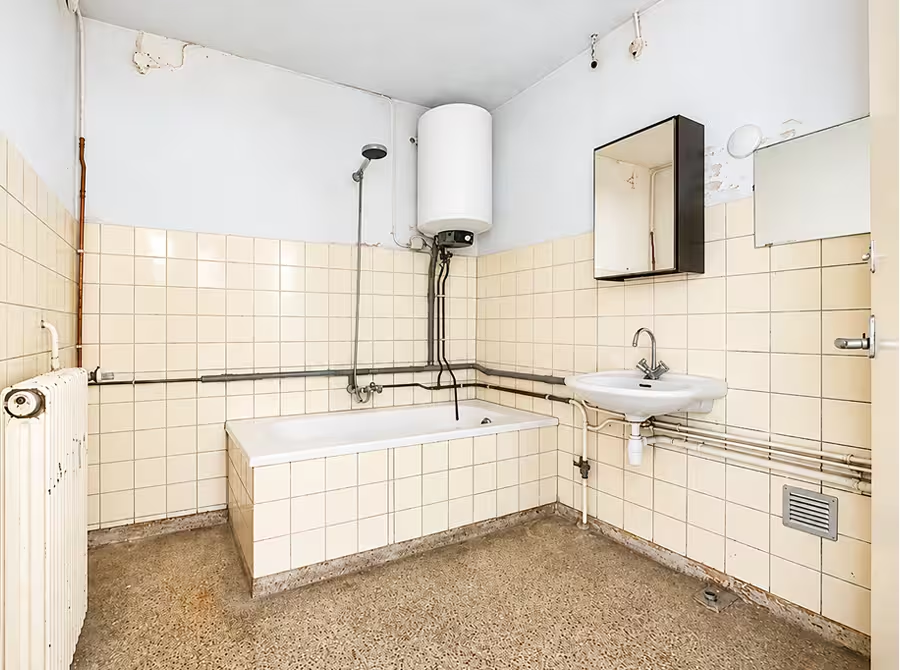
8. Keep the Character of an Older Bathroom
Improving accessibility does not mean removing the character of an older home.
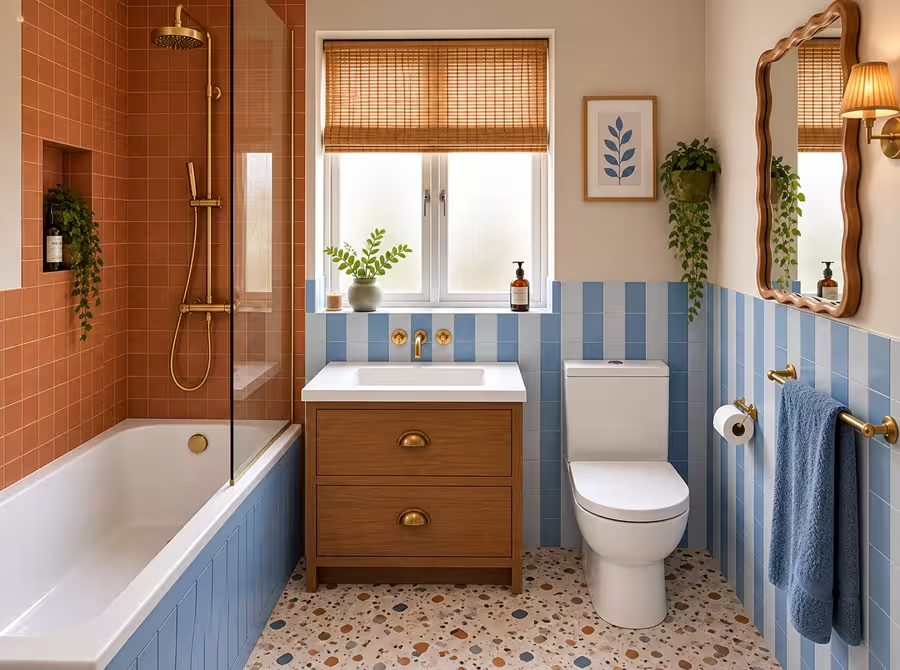
Original or traditional features can sometimes be retained and restored while the bathroom’s less practical elements are upgraded. For example, a period-style basin, traditional tapware, or a classic bathtub can work alongside modern plumbing and safety features.
Classic tile patterns such as subway tiles or simple mosaics can also create a timeless look without making the bathroom feel dated.
The key is to choose features that suit the home’s style while making sure everyday use remains practical.
9. Choose Durable, Moisture-Resistant Materials
Bathrooms need materials that can handle regular exposure to water and humidity.
Porcelain and ceramic tiles are common choices for walls and floors, while natural stone can also be used when it is properly selected, sealed, and maintained. Timber-look finishes can provide warmth without requiring untreated timber in areas exposed to regular moisture.
When selecting materials, consider more than appearance. Maintenance requirements, slip resistance, durability, water exposure, and cleaning should all be part of the decision.
10. Add Technology Where It Makes Sense
Technology can make some bathroom tasks easier, although it should support the design rather than replace basic safety features.
Modern toilets may include features such as heated seats, bidet functions, automatic flushing, and easy-to-use controls. Illuminated or anti-fog mirrors can improve visibility around the vanity.
Other useful options can include sensor lighting and touchless taps, depending on the needs of the household.
11. Think About Future Mobility
One of the most useful parts of an aging-in-place renovation is planning for changes that may happen later.
Even if you currently have no difficulty using the bathroom, consider whether the layout would still work if mobility became more limited. Think about door widths, shower access, circulation space, toilet positioning, and whether another person could assist if needed.
Planning these details during the renovation can be much easier and less expensive than modifying the bathroom later.
Planning a Bathroom for Long-Term Comfort
A bathroom renovation for aging in place should start with how the space will actually be used. Look at the layout, movement between fixtures, lighting, flooring, storage, and the location of controls before choosing finishes and decorative features.
It is also important to have structural, plumbing, electrical, and waterproofing work carried out appropriately. Depending on the project and location, some renovation work may need to meet applicable building, accessibility, electrical, and plumbing requirements.
A good renovation can make a bathroom easier to use without changing its personality. By combining practical access, safer surfaces, suitable fixtures, good lighting, and thoughtful planning, you can create a bathroom that remains comfortable and functional for years to come. If you’re considering an upgrade, explore our bathroom renovation services to discuss your requirements.
Frequently Asked Questions
1. What are the most important features in an aging-in-place bathroom?
A safe bathroom usually starts with practical features such as a walk-in or curbless shower, securely installed grab bars, slip-resistant flooring, good lighting, and easy-to-use fixtures. The right combination will depend on the user’s mobility and the existing bathroom layout.
2. Is a curbless shower a good option for aging in place?
A curbless shower can make getting in and out easier by removing the step or raised shower edge. It also gives the bathroom a more open appearance. Proper drainage, waterproofing, and floor levels need to be considered during installation.
3. Where should grab bars be installed?
Grab bars are commonly used beside the toilet and in the shower area. Their position should be planned around how the person moves through the bathroom, and they need to be securely fixed to appropriate structural support.
4. What flooring is best for an aging-in-place bathroom?
Choose bathroom flooring that provides good slip resistance, especially when wet. The surface should also be durable and easy to maintain. Your builder or renovation professional can help select a suitable product for the specific bathroom.
5. Can I make my existing bathroom safer without a complete renovation?
Yes. Some bathrooms can be improved with changes such as better lighting, grab bars, a handheld showerhead, slip-resistant flooring, or an easier-to-use toilet. If the layout itself creates access problems, a larger renovation may be the better approach.
Conclusion: Plan a Bathroom That Works for the Future
An aging-in-place bathroom should feel comfortable and natural while making everyday use safer and easier. Features such as a walk-in shower, secure grab bars, slip-resistant flooring, good lighting, and accessible fixtures can make a meaningful difference without compromising the overall design.
If you’re planning a bathroom renovation, Younique Building can help you consider the layout, fixtures, finishes, and practical features that suit your home and your needs.
Planning a Bathroom Renovation?
Explore our Bathroom Renovation Services or view our renovation packages to start planning your project.
About the Author
Adyan
Renovation & Building Specialist
Adyan brings practical bathroom renovation expertise to help homeowners create safer, more accessible, and comfortable bathrooms while maintaining the character and style of their homes.