
 By: admin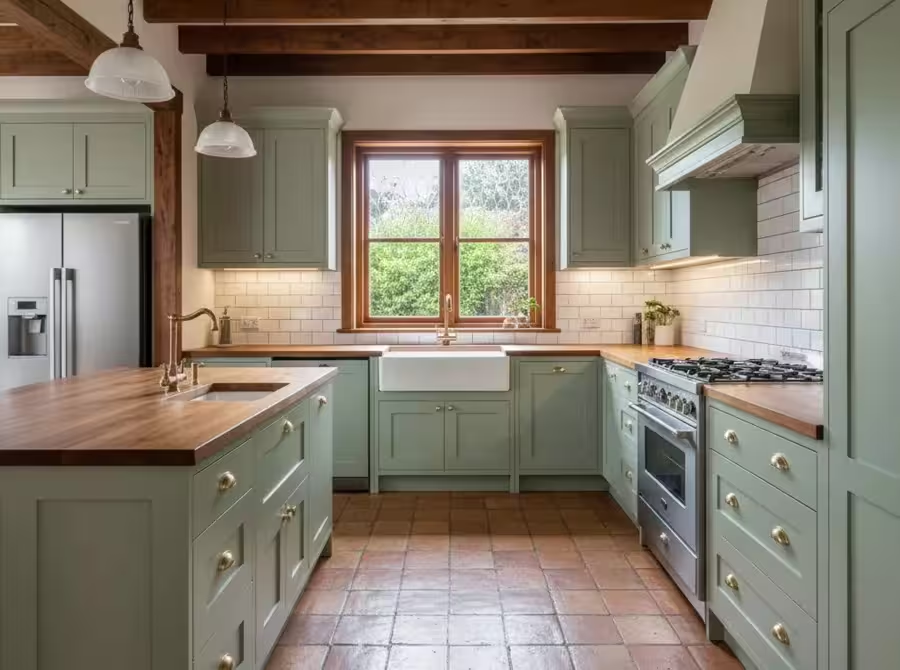
Heritage Kitchen Renovation Ideas for Older Homes in NSW and Tasmania
Older homes across NSW and Tasmania have a character that new builds often struggle to recreate. Timber floors, pressed metal details, original brickwork, decorative joinery, and traditional proportions can give a kitchen real personality.
The challenge comes when that character meets modern life.
Today’s kitchens need better storage, practical work areas, efficient appliances, good lighting, and easy-to-clean surfaces. A well-planned heritage kitchen renovation should bring those improvements into the space without making the original home feel out of place.
Whether you own a Federation-era home in NSW, a weatherboard cottage in Tasmania, or another period property, these renovation ideas can help you create a kitchen that feels comfortable, functional, and true to the home’s history.
1. Protect the Original Character
Before removing anything, take a close look at what already works.
Original timber flooring, cabinetry, brickwork, ceiling details, archways, windows, and decorative features can become the foundation of the new kitchen. In many cases, restoring these elements costs less and produces a more authentic result than replacing them with modern alternatives.
Consider:
- Restoring original timber cabinets instead of automatically replacing them
- Repairing and refinishing timber floors where possible
- Retaining exposed brickwork and architectural details
- Restoring original tiles rather than covering them
- Choosing period-inspired tapware, handles, sinks, and light fittings
- Cleaning and repairing original metalwork and other decorative features
A few imperfections can actually add to the charm of an older home. The goal is not to make everything look brand new. It is to create a kitchen that respects the home’s existing character.
2. Combine Modern Functionality with Period Style
A heritage kitchen does not need to sacrifice modern convenience.
The best renovations usually hide contemporary features within cabinetry and layouts that complement the age of the property. This approach allows you to enjoy modern appliances and storage without making them the first thing you notice.
For example, you could use:
- Integrated dishwashers behind matching cabinet fronts
- Built-in ovens that sit neatly within the cabinetry
- Soft-close drawers for everyday convenience
- Deep drawers for pots, pans, and cookware
- Pull-out storage for oils, spices, and pantry items
- Open shelving for displaying traditional crockery or cookware
You can also introduce modern materials selectively. A contemporary stone benchtop, for example, can work beautifully with traditional cabinetry when you choose a colour and profile that suit the existing architecture.
3. Make the Most of a Small Heritage Kitchen
Many older homes have kitchens that feel cramped by today’s standards. Knocking down every wall is not always the best solution, particularly when the property contains important architectural features.
Instead, look for ways to improve the layout while keeping the home’s character.
Practical ways to create more usable space
- Install full-height cabinets where appropriate
- Use corner drawers or pull-out corner storage
- Add narrow pantry units between larger cabinets
- Use drawers instead of deep cupboards for easier access
- Consider a compact island if the room allows enough circulation space
- Use wall-mounted shelving for frequently used items
- Improve lighting to make the kitchen feel more open
If you want a more open feel, consider a partial open-plan kitchen renovation rather than removing an entire wall. Retaining an archway, exposed beam, or other structural feature can maintain a visual connection with the home’s original design.
Always check whether a wall forms part of the structure before planning its removal.
4. Choose Sustainable Materials and Appliances
Renovating an older kitchen also gives you an opportunity to improve its environmental performance.
Rather than replacing everything, consider which existing features you can repair, restore, or reuse. Keeping original materials out of landfill can also help preserve the character of the property.
Useful upgrades include:
- Energy-efficient refrigerators, dishwashers, and cooking appliances
- LED lighting
- Low-VOC paints and finishes
- Reclaimed or responsibly sourced timber
- Recycled or durable benchtop materials
- Water-efficient taps
- Quality cabinetry designed for long-term use
Sustainability does not always mean choosing the newest material. Sometimes the most sustainable decision is to keep a well-made original feature and give it a second life.
5. Select Flooring and Splashbacks That Suit the Home
Flooring and splashbacks can strongly influence whether a renovated kitchen feels authentic or disconnected from the rest of the property.
For a traditional look, consider materials and patterns that have a natural relationship with period homes.
Popular options include:
- Subway tiles
- Herringbone tiles
- Small-format mosaic tiles
- Natural stone
- Reclaimed timber
- Timber-look porcelain tiles
- Traditional patterned tiles
If the original flooring remains in good condition, restoration may be the better option. Where new flooring is necessary, choose a material that works with the existing floors in adjoining rooms rather than treating the kitchen as a completely separate space.
The same principle applies to splashbacks. A simple tile layout can often provide a stronger heritage feel than an overly decorative design.
6. Use a Heritage-Inspired Colour Palette
Colour can modernise a kitchen without taking away its traditional character.
Instead of following short-lived trends, look at the colours already present in the home. Existing timber tones, brickwork, flooring, and architectural details can help guide your choices.
Consider shades such as:
- Warm white and soft cream
- Sage and muted green
- Deep navy
- Dusty blue
- Terracotta
- Warm grey
- Natural timber tones
You can also use contrast carefully. For example, light walls with darker cabinetry can give the kitchen more depth, while a natural timber island can soften a painted kitchen.
The right colour scheme should feel like it belongs to the home rather than looking like it came from a completely different building.
7. Get the Lighting Right
Good lighting can make a major difference in a heritage kitchen, especially when the original room has small windows or limited natural light.
Use several layers of lighting rather than relying on a single ceiling fixture.
A practical combination might include:
- Pendant lighting over an island or breakfast bench
- Under-cabinet lighting for preparation areas
- Ceiling lights for general illumination
- Wall lights to highlight architectural features
- Decorative fixtures that complement the home’s period
Warm, well-positioned lighting can also bring out the texture of timber, brick, tiles, and other traditional materials.
8. Plan Around the Way You Actually Use the Kitchen
A beautiful kitchen still needs to work well every day.
Before finalising the layout, think about where you prepare food, store groceries, wash dishes, use small appliances, and gather with family or guests.
Ask yourself:
- Which appliances do I use most often?
- Where do groceries enter the kitchen?
- Do I need more drawers or cupboard space?
- Where will small appliances live?
- Is there enough bench space for food preparation?
- Can more than one person comfortably use the kitchen?
- Where should rubbish and recycling bins go?
- Does the proposed layout provide a clear and practical walkway?
These details can make a bigger difference to daily comfort than purely decorative upgrades.
If you’re planning a complete kitchen upgrade, explore our Kitchen Renovation Package for options tailored to different homes and requirements.
9. Respect the Difference Between NSW and Tasmania Heritage Homes
Heritage properties vary considerably from one region and period to another.
An older home in Sydney or regional NSW may have different architectural features, materials, and heritage requirements from a historic Tasmanian cottage. Before making major structural changes, research the property’s history and check whether heritage controls apply.
If the property has heritage significance, speak with the relevant local council or a qualified heritage professional before committing to structural changes.
This step can prevent expensive surprises later and help you understand which features you should preserve.
How to Approach a Heritage Kitchen Renovation
A practical renovation usually works best when you follow a clear process.
Step 1: Assess the existing kitchen
Identify the features worth preserving and the problems that need solving.
Step 2: Set your priorities
Separate essential improvements, such as storage and electrical upgrades, from purely cosmetic changes.
Step 3: Develop the layout
Plan the work zones, appliances, cabinetry, lighting, and circulation before choosing finishes.
Step 4: Research suitable materials
Look for durable materials that complement the home’s architecture and can handle everyday kitchen use.
Step 5: Check heritage requirements
Confirm whether council approval or heritage considerations affect your proposed changes.
Step 6: Combine old and new carefully
Keep significant original features while introducing modern conveniences where they genuinely improve the kitchen.
Step 7: Review the details
Handles, tapware, lighting, splashbacks, colours, and appliances should all work together rather than competing for attention.
Common Mistakes to Avoid
A heritage renovation can lose its charm when modern features overwhelm the original architecture.
Avoid:
- Removing original features without considering restoration
- Choosing finishes solely because they are currently fashionable
- Overloading a small kitchen with bulky cabinetry
- Using too many different materials and colours
- Ignoring lighting during the early design stage
- Removing walls before checking structural and heritage requirements
- Prioritising appearance over storage and workflow
- Replacing quality original materials that could have been repaired
A successful renovation should feel like an improvement to the original home, not a completely unrelated kitchen installed inside it.
Planning a Heritage Kitchen Renovation?
Preserve your home’s character while creating a kitchen that suits modern living. Talk to our team about the right renovation options for your home.
Frequently Asked Questions
1. Is it possible to modernise a heritage kitchen without losing its character?
Yes. You can introduce modern appliances, improved storage, better lighting, and updated services while retaining important architectural features. The key is to make modern additions work with the existing design rather than dominate it.
2. What should I keep when renovating an old kitchen?
Look carefully at original timber floors, cabinetry, brickwork, windows, archways, tiles, beams, and decorative details. A builder, designer, or heritage specialist can help determine which features have structural, historical, or aesthetic value.
3. How can I make a small heritage kitchen feel bigger?
Use efficient storage, full-height cabinetry, lighter colours, good lighting, and an uncluttered layout. If structural changes are appropriate, a partial opening can sometimes improve the sense of space while retaining important architectural elements.
4. Are modern appliances suitable for heritage kitchens?
Yes. Integrated and built-in appliances can blend particularly well with traditional cabinetry. Choose appliance finishes and designs that complement the rest of the room.
5. Should I restore or replace original kitchen cabinets?
If the cabinets have a sound structure and good-quality materials, restoration can be worth considering. Repainting, repairing doors, replacing hardware, and upgrading internal storage may give them a new lease on life.
6. Do heritage homes in NSW and Tasmania have renovation restrictions?
Some properties have heritage protections or local planning controls that can affect renovation work. Requirements vary depending on the property and location, so check with the relevant local council before making significant structural or external changes.
Final Thoughts
A great heritage kitchen does not try to hide the age of the home. It uses that history as part of the design.
Keep the features that give the property its identity, improve the areas that no longer suit modern living, and choose new materials with the existing architecture in mind. With the right balance of restoration and practical upgrades, an older kitchen in NSW or Tasmania can become a comfortable, functional space that still feels like it belongs to the home.
The best result is a kitchen that works effortlessly today while retaining enough of its original character to tell the story of where it came from.

About the Author
Adyan
Renovation & Building Specialist
Adyan brings practical experience to kitchen renovations, helping homeowners create functional, stylish spaces that work for everyday living.