 By: admin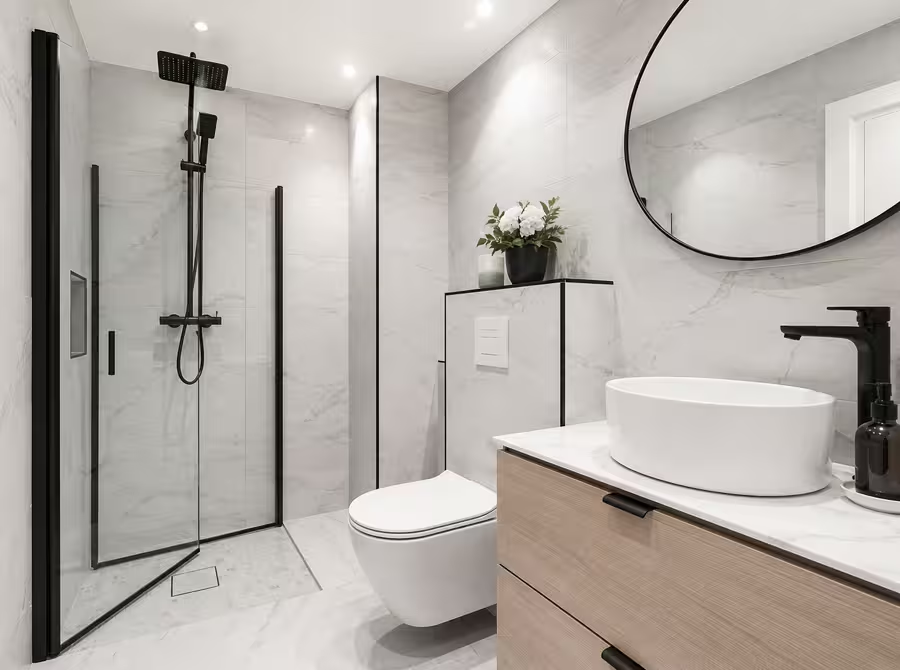
Why Upgrading Your Bathroom in an Older Home Could Boost Your Property Value
An outdated bathroom can make an otherwise well-maintained home feel tired, uncomfortable, and less practical. In older homes across NSW and Tasmania, a thoughtful bathroom renovation can do more than improve appearance. It can make the space safer, easier to use, more efficient, and more appealing to potential buyers.
The key is to renovate with purpose. A bathroom filled with expensive features does not automatically add value. Buyers often respond better to a well-designed space that combines modern style, practical features, quality materials, and low ongoing maintenance.
Here are some of the improvements that can make an older bathroom more attractive while supporting the long-term appeal of your property.
1. Improve Accessibility for Long-Term Living
Accessibility has become an important consideration for homeowners who want their property to remain practical as their needs change.
Features such as:
- Walk-in or low-threshold showers
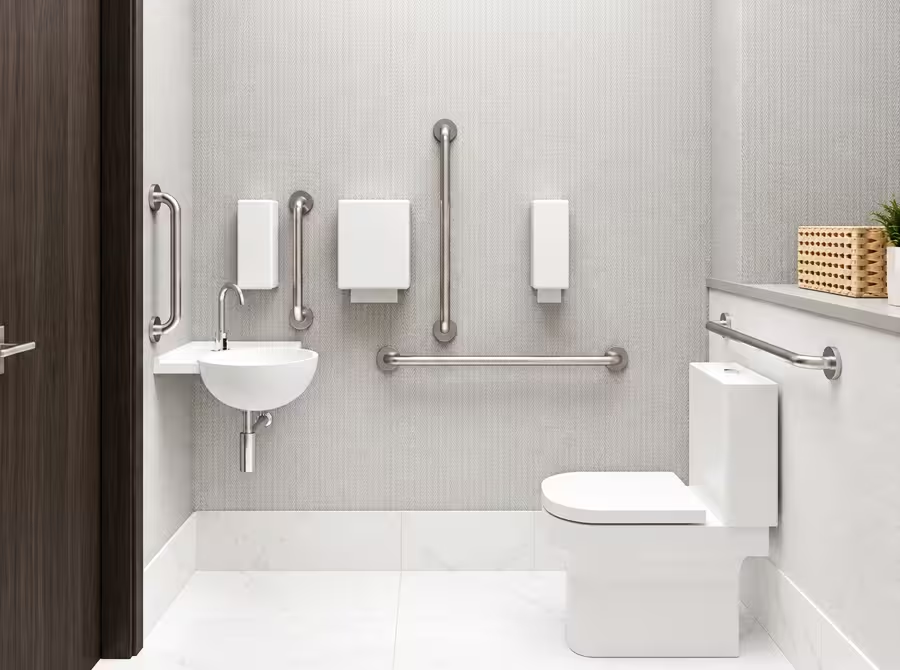
- Strategically positioned grab rails
- Non-slip flooring
- Comfort-height toilets
- Lever-style tapware
- Wider and easier-to-use shower entrances
can make a bathroom safer, more accessible and more comfortable to use.
You do not need to make the bathroom look clinical. Modern fixtures, concealed grab rails, frameless shower screens, and carefully selected finishes can create an accessible bathroom that still feels stylish.
2. Make the Bathroom Work for Different Buyers
A renovation that works for a wider range of people can strengthen the overall appeal of an older home.
For example, a family may value a practical shower and plenty of storage, while an older buyer may prioritise easy access and slip-resistant surfaces. Designing the bathroom around comfort and usability can help meet both needs.
Think beyond how the bathroom looks today. Consider how easily someone could use it five or ten years from now.
3. Combine Modern Style With Practical Design
You do not have to choose between an attractive bathroom and an accessible one.
A modern renovation can combine features such as:
- Frameless or semi-frameless shower screens
- Curbless or low-entry showers
- Slip-resistant floor tiles
- Lever-handle taps
- Wall-mounted vanities
- Recessed shower storage
- Good-quality LED lighting
The best designs make practical features feel like part of the overall style rather than additions made as an afterthought.
For homeowners looking for a balance of quality and value, explore our Silver Bathroom Package.
4. Reduce Water and Energy Costs
Older bathrooms can contain inefficient fixtures that waste water and increase household running costs.
Replacing outdated fittings with water-efficient showerheads, taps, and dual-flush toilets can reduce unnecessary water use. Energy-efficient lighting can also lower electricity consumption.
These improvements may not dramatically change a property’s value on their own, but they can make the home more economical to run and more attractive to buyers who consider ongoing costs.
5. Create More Usable Space
Older bathrooms often feel cramped because of bulky fixtures and poorly planned layouts.
A renovation gives you an opportunity to make better use of every available centimetre. Floating vanities can open up floor space, while recessed niches can provide storage without taking up valuable room.
Compact fixtures, wall-mounted toilets, mirrored cabinets, and well-planned shower layouts can also make a small bathroom feel considerably more spacious.
Focus on Layout Before Luxury
Before choosing premium finishes, look at how people move through the room.
A well-planned layout should provide enough space to enter the bathroom, use the toilet, access the shower, open storage, and move safely between fixtures. Good planning often creates more value than simply adding expensive products.
6. Add Smart Bathroom Features Where They Make Sense
Technology can add convenience, but it should serve a practical purpose.
Depending on your budget, useful upgrades may include:
- Motion-sensor lighting
- Heated towel rails
- Smart mirrors
- Temperature-controlled showers
- Sensor taps
- Underfloor heating
Choose technology carefully. A feature that solves a genuine problem can improve the user experience, while unnecessary gadgets can increase the renovation cost without adding much practical benefit.
7. Create a Comfortable, Spa-Like Bathroom
A bathroom does not need to become a luxury resort to feel special.
Simple details can create a more relaxing space. A quality rainfall showerhead, heated towel rail, frameless screen, generous vanity, or carefully selected feature tile can give the room a more refined feel.
The goal should be balance. Spend more on features that people use every day and avoid overcapitalising on additions that may not appeal to future buyers.
For a more premium renovation, explore our Platinum Bathroom Package.
8. Improve Ventilation and Moisture Control
Good ventilation matters particularly in bathrooms because excess moisture can contribute to mould, condensation, and damage over time.
An effective exhaust fan can remove humid air and help protect walls, ceilings, cabinetry, and other finishes. Modern systems with humidity sensors can automatically operate when moisture levels rise.
For an older home, this can be a particularly worthwhile improvement because preventing moisture problems can protect the bathroom and the surrounding structure.
9. Use Lighting to Make the Bathroom Feel Bigger
Poor lighting can make even a well-designed bathroom feel dark and cramped.
Consider using several types of lighting rather than relying on one ceiling fitting. General lighting can illuminate the whole room, while task lighting around the vanity can make everyday activities easier.
Where the layout and existing structure allow it, windows or skylights can also introduce natural light and improve ventilation.
For bathrooms designed with accessibility in mind, good lighting can also reduce shadows and improve visibility around wet areas, steps, and changes in floor level.
10. Choose Materials That Can Handle Daily Use
A bathroom needs to withstand moisture, cleaning, temperature changes, and constant use. Choosing materials based on appearance alone can lead to higher maintenance costs later.
Consider durable and moisture-appropriate options such as:
- Porcelain or quality ceramic tiles
- Quartz or other suitable hard-wearing benchtops
- Moisture-resistant cabinetry
- Quality tapware
- Properly sealed wet-area surfaces
- Easy-to-clean shower screens
Quality installation matters just as much as the products you choose. Poor waterproofing or incorrect installation can create expensive problems, regardless of how attractive the finished bathroom looks.
What Should You Prioritise in an Older Home Bathroom Renovation?
If your renovation budget has limits, focus on improvements that deliver everyday benefits first.
A sensible priority order could look like this:
- Waterproofing and structural issues
- Bathroom layout and functionality
- Ventilation and moisture control
- Safe flooring and shower access
- Quality plumbing fixtures
- Storage and lighting
- Cabinetry and surfaces
- Decorative and luxury features
This approach helps you spend your budget on improvements that matter rather than focusing only on visual upgrades.
Can a Bathroom Renovation Increase Property Value?
A bathroom renovation can improve a property’s appeal and may contribute to its overall market value, particularly when it solves obvious problems and brings an outdated space up to a modern standard.
However, no renovation guarantees a specific increase in property value. The result depends on factors such as the property’s location, overall condition, quality of the renovation, buyer expectations, and the amount spent.
For an older property in NSW or Tasmania, it usually makes sense to aim for a bathroom that feels modern and comfortable without looking out of place with the rest of the home.
Avoid Overcapitalising
One of the biggest renovation mistakes involves spending heavily on features that buyers may not value enough to justify the cost.
For example, replacing a dated bathroom with a clean, functional design may make more financial sense than installing numerous high-end features simply because they are available.
Before starting work, compare your proposed renovation with similar homes in the local market. Your goal should be to bring the bathroom up to the standard buyers expect, not necessarily to create the most expensive bathroom in the neighbourhood.
Ready to Renovate Your Investment Bathroom?
Tell us about your property and renovation requirements. Our team can discuss the Investor Bathroom Package, available options and the next steps for your project.
Frequently Asked Questions
1. Does renovating an old bathroom increase home value?
It can. A well-executed bathroom renovation can improve a property’s presentation, functionality, safety, and buyer appeal. The actual effect on property value depends on the property and the quality and cost of the renovation.
2. Which bathroom upgrades add the most value and buyer appeal?
Layout improvements, quality fixtures, good lighting, practical storage, effective ventilation, durable materials, and easy shower access can all improve a bathroom’s appeal.
3. Are accessible bathroom features worth adding to an older home?
They can be. Features such as low-entry showers, non-slip flooring, suitable grab rails, and lever-style tapware can improve safety and make the bathroom easier to use for people of different ages and abilities.
4. Should I choose luxury fixtures when renovating an investment property?
Luxury features can improve presentation, but they should match the property and local market. Prioritise durable, practical upgrades before spending heavily on features that may provide limited additional value.
5. How can I make a small bathroom feel larger?
Use a practical layout, wall-mounted fixtures, recessed storage, large mirrors, appropriate lighting, and a simple colour and material scheme. Reducing visual clutter can also make a noticeable difference.
6. What is the most important thing to check in an older bathroom?
Look beyond the tiles and fittings. Check waterproofing, plumbing, ventilation, drainage, moisture damage, and the condition of the underlying structure before focusing on cosmetic improvements.
Final Thoughts
A successful bathroom renovation should do more than make an old space look new. It should make the room safer, easier to maintain, more comfortable, and better suited to modern living.
For older homes in NSW and Tasmania, the strongest approach usually combines practical design, accessibility, durability, energy and water efficiency, and timeless style.
If you are renovating with resale in mind, keep the local market and the property’s overall standard in view. A bathroom that looks good, works well, and stands up to everyday use can become one of the home’s strongest features while making it a better place to live today.
Ready to Improve Your Bathroom?
Whether your bathroom needs a simple update or a complete renovation, the right improvements can make the space more functional, comfortable, and appealing to future buyers or tenants.
Speak with our team about your renovation project and discuss the best approach for your property.
About the Author

Vicky Rules
Property Renovation Specialist
Vicky shares practical insights on home renovations and property improvements, helping homeowners make informed decisions that improve comfort, functionality, and long-term property appeal across NSW and Tasmania.