 By: admin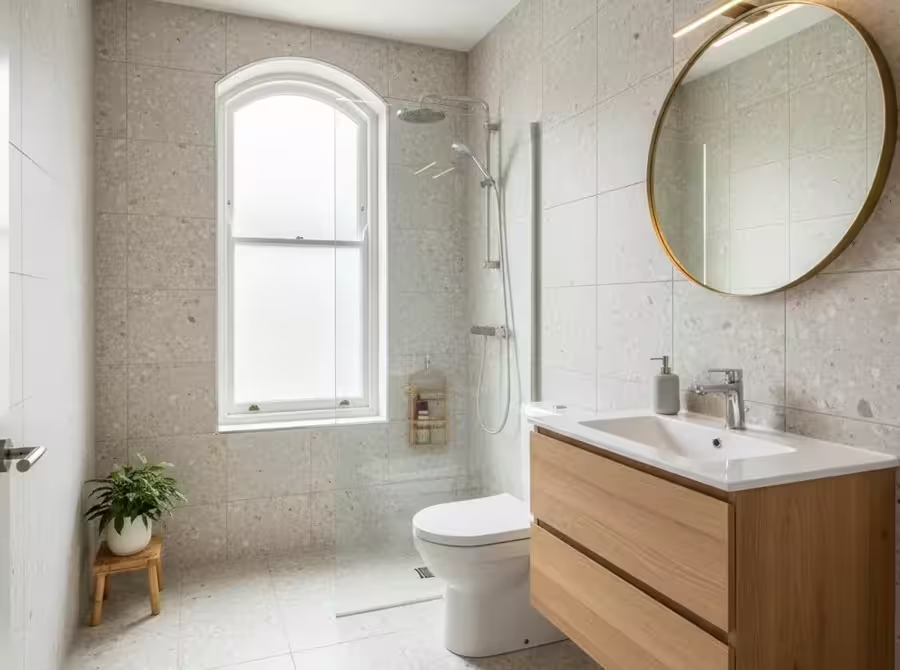
Eco-Friendly Bathroom Renovations for Small Spaces in Older Homes
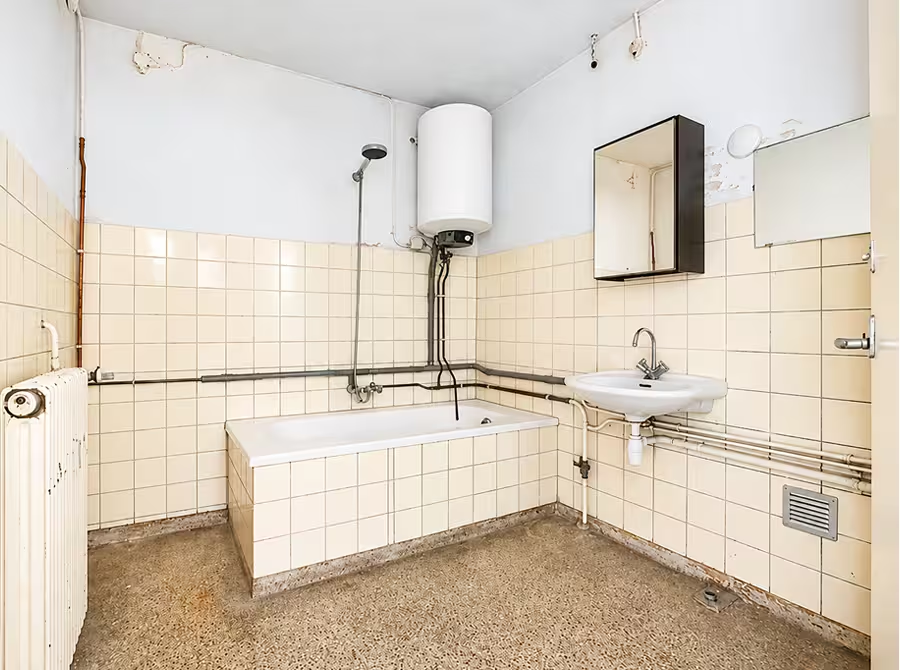
Small bathrooms can be difficult to renovate, especially in older homes where the existing layout, plumbing and limited floor space can restrict your options. The good news is that you do not need a large bathroom to create a comfortable, modern and environmentally conscious space.
A well-planned eco-friendly bathroom renovation can reduce water and energy use while making a compact bathroom easier to use. With the right fixtures, materials, storage and layout, even a dated bathroom can feel brighter, more spacious and practical.
What Makes a Bathroom Renovation Eco-Friendly?
An environmentally conscious bathroom focuses on reducing waste and ongoing resource use without sacrificing comfort or style.
Some of the most practical improvements include:
- Water-efficient showerheads and taps
- Dual-flush toilets
- Energy-efficient LED lighting
- Durable, responsibly sourced materials
- Low-VOC paints and finishes
- Recycled or reclaimed materials where suitable
- Storage solutions that reduce the need for bulky furniture
The best choices depend on the property, your budget and how the bathroom will be used. A renovation does not need to use every possible eco-friendly product to make a meaningful difference.
Water-Saving Fixtures That Work Well in Small Bathrooms
Water use is one of the easiest areas to address during a bathroom renovation.
Low-Flow Showerheads
A water-efficient showerhead can help reduce water consumption while still providing a comfortable shower. When choosing one, look for a product that offers a good balance between water efficiency and everyday performance.
Dual-Flush Toilets
Dual-flush toilets allow users to select an appropriate flush for different needs. Replacing an old toilet can improve water efficiency while also giving the bathroom a cleaner, more modern appearance.
Water-Efficient Taps
Modern tapware can help control water flow without making the basin difficult to use. Lever-style handles can also make taps easier to operate for people with limited hand movement.
Sensor Taps
Sensor taps can reduce unnecessary water flow, particularly in bathrooms used by several people. However, consider installation requirements, maintenance and the overall renovation budget before choosing them.
Sustainable Materials for Bathroom Renovations
The materials you select can affect the environmental impact, appearance and lifespan of your bathroom.
Consider materials based on their durability and suitability for a wet environment rather than choosing a product simply because it is marketed as sustainable.
Potential options include:
- Recycled-content tiles or glass
- Responsibly sourced timber
- Bamboo for suitable cabinetry or accessories
- Low-VOC paints
- Durable, long-lasting benchtop materials
- Reclaimed materials where their condition and moisture resistance make them appropriate
Choose Durability Over Trends
A material that lasts for many years can be a more practical choice than one that needs frequent replacement.
For an older home, this matters even more. A bathroom renovation involves labour, materials and waste, so choosing durable products can help reduce the need for another renovation in the near future.
How to Make a Small Bathroom Feel Bigger
You do not always need to increase the physical size of a bathroom to make it feel more spacious.
Good planning can make a surprisingly large difference.
1. Use Vertical Storage
When floor space is limited, look upwards.
Tall cabinets, wall-mounted shelving and recessed storage can provide useful space without making the floor feel crowded.
2. Install a Large Mirror
A well-positioned mirror can reflect natural and artificial light, making a compact bathroom appear brighter and more open.
A mirrored shaving cabinet can provide another useful benefit by combining storage with the mirror.
3. Consider Wall-Mounted Fixtures
Wall-mounted vanities and other suitable fixtures can expose more of the floor and create a cleaner visual appearance.
They can also make cleaning easier by reducing difficult-to-reach areas around the base of the furniture.
4. Use Recessed Storage
A recessed shower niche can provide storage for everyday products without adding another cabinet to an already tight space.
Plan the position carefully so that it remains easy to reach and does not interfere with the shower area.
5. Keep the Layout Simple
A small bathroom can quickly feel crowded when too many fixtures compete for space.
Before choosing finishes, consider whether the existing position of the toilet, vanity and shower provides the best possible use of the room.
In some older homes, changing the layout can significantly improve usability. However, moving plumbing can also increase renovation costs, so weigh the practical benefit against the additional work involved.
Use Lighting to Open Up the Space
Lighting can change how a small bathroom feels.
LED lighting provides an energy-efficient option for general illumination, while dedicated lighting around the vanity can improve visibility for grooming and other daily tasks.
Where the existing structure allows it, natural light can also make a compact bathroom feel more comfortable and inviting.
For older bathrooms, address poor lighting rather than relying solely on lighter-coloured finishes to make the room appear brighter.
Choose Light Colours Without Making the Bathroom Bland
Light-coloured walls, tiles and cabinetry can help create a sense of space by reflecting more light.
White is not the only option. Soft neutral tones, warm greys, pale greens and other understated shades can create a brighter bathroom without making it feel cold.
Using a consistent palette across the walls, floor and cabinetry can also reduce visual clutter.
Make the Most of Multi-Functional Fixtures
When every centimetre matters, choose products that perform more than one job.
For example:
- A mirrored cabinet provides both storage and a mirror.
- A wall-mounted vanity provides storage while keeping more visible floor space.
- A shower niche provides storage without taking up wall or floor space.
- A heated towel rail can dry towels while adding everyday comfort.
- A combined shower and bath can suit homes where both functions matter.
The right choice depends on the household. Avoid adding a feature simply because it saves space if you rarely need it.
Planning an Eco-Friendly Bathroom Renovation?
Whether you have a compact bathroom in an older home or want to reduce water and energy use, our team can help you plan practical improvements that suit your space and budget.
Think About Waste During the Renovation
Eco-friendly renovation is not only about the products you install.
The renovation process itself can create waste, particularly when an older bathroom contains existing tiles, cabinetry, fixtures and other materials.
Where practical, consider:
- Keeping suitable existing elements instead of replacing everything.
- Reusing or recycling materials where possible.
- Choosing durable products that will not need frequent replacement.
- Measuring carefully before ordering materials.
- Avoiding unnecessary changes that add cost and waste without improving the bathroom.
A thoughtful renovation can balance environmental considerations with the practical requirements of the property.
Common Mistakes to Avoid in a Small Bathroom Renovation
Even good ideas can create problems when the design does not suit the room.
Avoid Oversized Fixtures
A large vanity may look impressive in a showroom but overwhelm a compact bathroom. Choose dimensions that leave enough room for comfortable movement.
Do Not Sacrifice Storage
Removing storage simply to create more open floor space can make the bathroom harder to use. Look for compact storage solutions instead.
Do Not Choose Materials on Appearance Alone
Bathrooms experience constant moisture and regular cleaning. Make sure your chosen materials suit the conditions of the room and can handle everyday use.
Do Not Move Plumbing Without Considering the Cost
Changing the layout can improve a small bathroom, but relocating plumbing may increase labour and installation costs. Compare the benefits before committing to major changes.
A Practical Approach to an Eco-Friendly Small Bathroom
If you are planning a renovation, start with the elements that affect everyday use.
A sensible order is:
- Assess the existing bathroom for layout, plumbing, ventilation and moisture issues.
- Plan the layout before selecting fixtures and finishes.
- Improve water efficiency with suitable taps, showerheads and toilets.
- Choose durable materials that suit wet areas.
- Add practical storage without taking valuable floor space.
- Improve lighting and ventilation where required.
- Select finishes that create a bright and cohesive look.
- Review the renovation budget before adding optional features.
This approach helps you focus on improvements that provide genuine long-term value rather than simply following bathroom trends.
Frequently Asked Questions
1. How can I make a small bathroom more eco-friendly?
Start with water-efficient fixtures, LED lighting, durable materials and practical storage. You can also reduce renovation waste by retaining suitable existing elements and choosing products that will last.
2. What are the best water-saving bathroom fixtures?
Water-efficient showerheads, taps and dual-flush toilets are practical options. Choose products based on their efficiency, performance and suitability for your household.
3. How can I make a small bathroom look bigger?
Use a practical layout, wall-mounted fixtures, recessed storage, large mirrors, good lighting and a simple colour palette. Keeping surfaces uncluttered can also make the room feel more spacious.
4. Are sustainable bathroom materials more expensive?
Some sustainable products can cost more initially, but price varies considerably between materials and products. Consider durability, maintenance and expected lifespan rather than looking only at the purchase price.
5. Should I change the layout of an old bathroom?
It depends on how well the existing layout works. If the current arrangement wastes space or makes the bathroom difficult to use, changing it may be worthwhile. However, moving plumbing can add significantly to the renovation cost.
6. Is LED lighting a good choice for a bathroom?
Yes. LED lighting can provide efficient illumination and works well for both general and task lighting. Use suitable bathroom-rated fittings and position them according to the needs of the space.
Final Thoughts
An eco-friendly bathroom renovation does not require a large room, an expensive budget or a complete redesign. Small, well-planned changes can make an older bathroom more efficient, comfortable and easier to use.
Start with the layout, water efficiency and durability. Then look at storage, lighting and finishes. When every choice has a practical purpose, you can create a bathroom that uses space wisely, reduces unnecessary resource use and remains useful for years to come.
For an older home, the best renovation is not simply the one that looks modern. It is the one that works better every day.
Ready to Make Better Use of Your Bathroom?
A well-planned renovation can make a small bathroom more functional, comfortable and efficient. Talk to our team about the right options for your older home.
About the Author
Frank
Property Renovation Specialist
Luke shares practical insights on bathroom renovations and property improvements, helping homeowners make informed decisions about design, functionality and long-term value across NSW and Tasmania.